A complete guide for real humans with real brains, especially the spicy neurodiverse ones.
If you have started keto and suddenly your sleep feels like it has been hijacked by a caffeinated squirrel, welcome. You are not doing anything wrong. Keto can be incredible, but the sleep side effects can hit harder than people expect. Some people sleep like a rock on keto. Others stare at the ceiling at 2.37am wondering if they are turning into a vampire.
This guide explains why keto affects your sleep, how to fix it, and why brain wiring and genetics make the experience wildly different person to person. I will also explain where something like Added Sleep fits into the picture, not as a miracle solution, but as support for calming cortisol, steadying the nervous system, and helping your biology settle while you adapt.
Let’s get into it.
Why Keto Messes With Your Sleep
Keto is not simply a diet. It is a metabolic identity shift. You go from being a carb burner to a fat burner, and the transition can feel like your body is trying to reboot itself.
Here are the real reasons sleep goes sideways.
1. Cortisol rises at night
Carbs naturally help regulate cortisol.
When you drop carbs suddenly, your brain can interpret it as a stress signal.
This keeps cortisol high at night, which makes it hard to fall asleep or stay asleep.
2. Adrenaline increases
Keto can temporarily increase noradrenaline.
This helps with focus during the day, but at night it feels like your brain has its foot on the accelerator.
3. Melatonin dips
You need certain amino acids to convert serotonin into melatonin.
Carbs help transport those amino acids.
Less transport means weaker melatonin production.
4. Electrolytes get washed out
Keto increases water loss.
Water loss drags electrolytes with it.
Low magnesium or potassium leads to restless legs, an overstimulated nervous system, and broken sleep.
5. Gut bacteria shift
Less fibre changes your microbiome.
Your gut controls a huge chunk of your serotonin.
If the gut is inflamed or sluggish, your sleep quality drops fast.
6. Thyroid adaptation
Lower carbs can lower T3 temporarily.
This affects body temperature at night, making it hard to stay asleep.
7. Neurodiverse brains feel the impact more
If you have ADHD, dyslexia, autism traits or anxiety, you already have a sensitive nervous system.
Keto amplifies that sensitivity until your metabolism stabilises.
8. Genetics play a massive role
This part is rarely discussed, but it matters.
Some people can handle the cortisol shift of keto without even noticing it.
Others feel like a walking stress ball.
Two genes are key here.
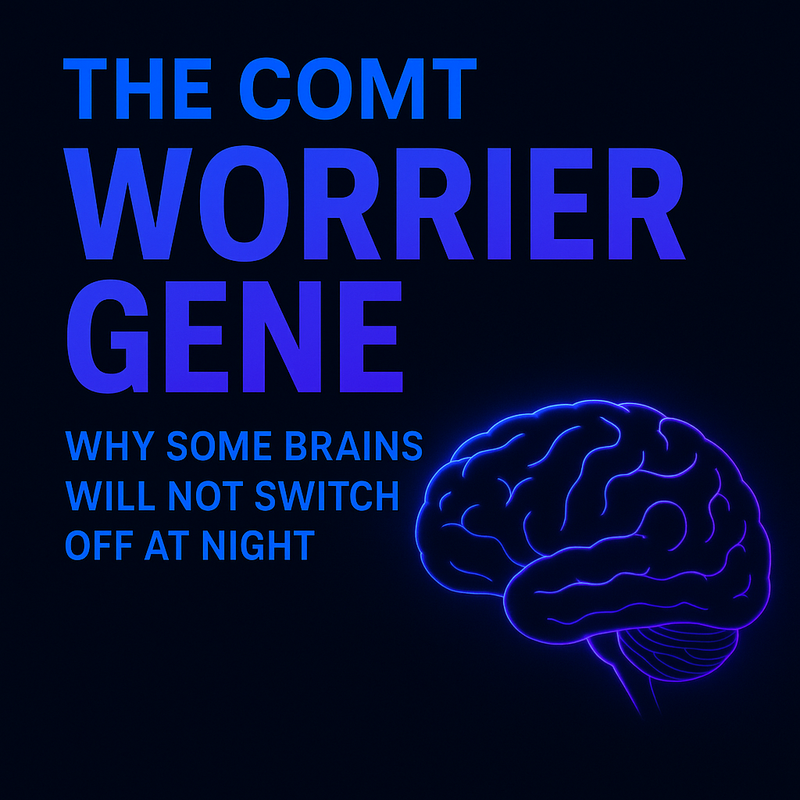
COMT slow variants
If you have a slow COMT gene, you struggle to clear:
-
cortisol
-
adrenaline
-
dopamine
So when keto naturally increases these chemicals during adaptation, they hang around longer.
That means more racing thoughts, more night-time alertness and more struggle getting into deep sleep.
MTHFR variants
This affects methylation.
Methylation is how your body recycles calming neurotransmitters.
If this process is slower, it becomes harder for your brain to shift from alertness into rest.
This has been true for me.
My body does not clear cortisol fast, and keto amplified that.
Understanding this changed everything. It helped me take the pressure off myself and support my system rather than fight it.

So How Do You Fix Sleep On Keto
Here is the practical part.
This is the exact blueprint to calm your system and get real sleep again.
1. Add 10 to 20 grams of clean carbs before bed
This will not kick you out of ketosis.
It simply calms cortisol and helps melatonin production.
Good options include:
-
berries
-
stewed apple with cinnamon
-
pumpkin
-
beetroot
Think of it as giving your nervous system a safety blanket.
2. Fix electrolytes first
Most keto insomnia comes from dehydration plus low magnesium.
Aim for:
-
3 to 5 grams sodium
-
300 to 400 mg magnesium glycinate or threonate
-
potassium from whole foods like avocado, spinach and salmon
If you only change one thing, make it this.
3. Support cortisol regulation
When cortisol stays high at night, your brain refuses to shut down.
This is where ingredients like:
-
L theanine
-
apigenin
-
lemon balm
-
calming probiotics
become incredibly helpful.
These are some of the key ingredients inside Added Sleep because they help with the real problem behind keto sleep disruption. They do not knock you out. They simply help the body shift gears.
4. Support your gut
Your gut and brain talk constantly.
If your gut is inflamed, gassy or slow, your sleep will not settle.
Try adding:
-
psyllium
-
chia
-
fermented foods
-
bone broth
-
probiotics that support the gut brain axis
A stable gut often means a stable sleep cycle.
5. Stop fasting too late
If your last meal is at 3pm, your blood sugar may dip too low overnight, triggering a cortisol spike at 2 or 3am.
Aim to eat your final meal between 4pm and 6pm.
If you are neurodiverse, this timing matters even more.
6. Eat a small balanced snack before bed if needed
Think:
-
greek yoghurt
-
almond butter
-
a small bowl of berries
This prevents the night-time adrenaline surge that wakes so many keto dieters.
7. Build a simple nervous system wind down
Your brain does not just switch off.
Especially on keto.
And even more so if you have ADHD traits.
Try:
-
ten minutes of slow breathing
-
a hot shower
-
dim light for an hour
-
magnesium glycinate
-
light stretching
-
a short walk after dinner
If your brain is still too loud, this is where something like Added Sleep fits naturally. It helps turn the volume down without sedation.
Common Questions on Keto & Sleep
Does keto cause insomnia?
Yes. Mainly through cortisol and electrolyte changes.
Why do I wake up at 3am on keto?
Blood sugar dips and cortisol spikes.
Does keto affect REM and deep sleep?
Yes. Deep sleep can drop during adaptation. Electrolytes play a big role.
Can supplements help?
Yes. Especially magnesium, theanine, apigenin, lemon balm and calming probiotics. These ingredients support sleep in a keto safe way, which is why they are part of Added Sleep.
Is melatonin good on keto?
Low dose is fine. High dose is not. It can reduce sleep quality long term. Added Sleep does not use melatonin for this reason.
Does keto affect neurodiverse sleep?
Yes. Neurodiverse brains have greater cortisol sensitivity and weaker circadian rhythm regulation. Keto exaggerates this unless supported.
Do COMT and MTHFR genes affect keto sleep?
Absolutely. They slow clearance of stress hormones and affect neurotransmitter recycling, which makes keto far more stimulating at night.
Putting It All Together
If sleep is falling apart on keto, fix things in this order:
-
Electrolytes
-
Cortisol support
-
Gentle carbs before bed
-
Gut support
-
Meal timing
-
Nervous system wind down
Do these for a week and you will feel a shift.
Do them for two weeks and your sleep can fully stabilise.
Where Added Sleep Fits
Added Sleep is not meant to sedate you.
It is designed for sensitive and neurodiverse brains that struggle with night-time cortisol surges.
It contains:
-
L theanine for calm
-
apigenin for cortisol regulation
-
soothing herbs
-
stress regulating probiotics for the gut brain axis
It is fully keto friendly and supports the exact pathways keto disrupts.
That is why people find it helpful during keto adaptation and beyond.
Final Thought
You are not failing keto.
You are not doing anything wrong.
Your brain and biology are adapting.
Keto puts pressure on electrolytes, cortisol, neurotransmitters and your gut.
When you support those things, sleep returns.
Once your sleep is handled, keto feels completely different.